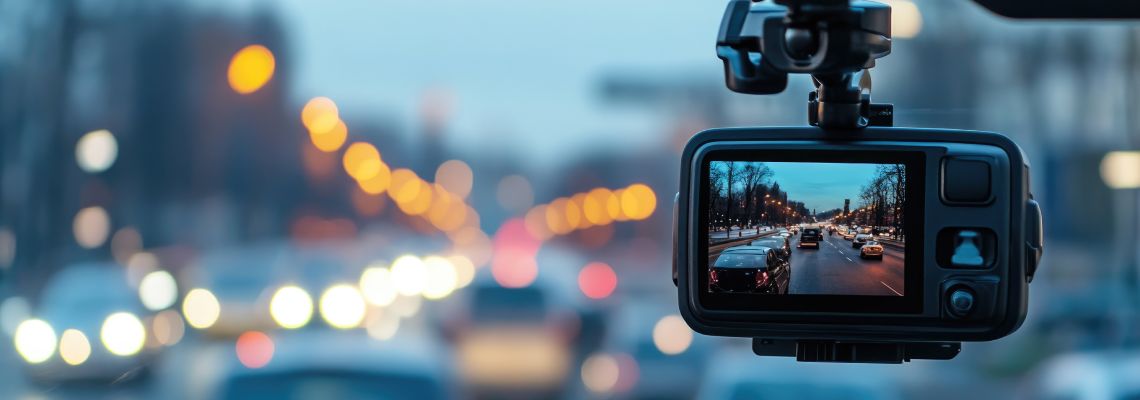
Getting pulled over for speeding can feel frustrating and stressful, especially when we believe the situation wasn’t entirely fair. Many of us rely on technology every day, and dashcams have become a common tool for documenting what happens on the road.
When questions arise about a citation, it’s natural to wonder whether video evidence can help us challenge the outcome. In matters involving traffic law, having reliable proof can sometimes make a meaningful difference.
At Forbes Law Firm, we work with clients throughout Hampton Roads, Virginia, including Hampton County, Newport News County, Poquoson County, York County, and Williamsburg. We know how overwhelming a speeding ticket can feel, and we’re here to help people work through issues tied to traffic law with clarity and care.
How Dashcam Footage Fits into a Speeding Ticket Defense
As we move from the initial shock of receiving a ticket to considering our options, it’s important to recognize the role evidence plays in these cases. Dashcam footage can provide a visual record that can support our version of events, but its usefulness depends on several factors tied to traffic law.
The courts generally look at whether the footage is clear, relevant, and unaltered. If the video shows our speed, road conditions, or other drivers' behavior, it can help clarify what actually occurred.
When Dashcam Footage May Help Our Case
There are situations where dashcam recordings can strengthen our position. For example, if we were accused of speeding in an area where signage was unclear, the footage might show missing or obstructed speed limit signs. In traffic law disputes, these details can matter more than we might expect.
Inaccurate speed measurement: If the footage suggests our speed was consistent with surrounding traffic or lower than claimed, it can raise questions about the officer’s reading.
Road conditions and context: Video can show weather, traffic flow, or hazards that influenced how we were driving.
Officer interaction: The recording can capture what was said during the stop, which could become relevant later.
While this type of evidence can be helpful, it’s most effective when paired with a broader strategy grounded in traffic law.
Limitations of Dashcam Evidence
Even though dashcams are useful, they don’t always tell the whole story. As we continue exploring how to challenge a ticket, it’s important to be realistic about what video can and can’t do.
Limited field of view: The camera can not capture everything the officer observed, such as radar readings or vehicles outside the frame.
Quality concerns: Poor lighting, low resolution, or shaky footage can reduce its credibility.
Interpretation differences: What we see in the video might not align with how a judge interprets it under traffic law.
Because of these factors, dashcam footage often works best as supporting evidence rather than the sole basis for a defense.
Steps We Can Take to Use Dashcam Footage Effectively
Once we understand the role of video evidence, the next step is figuring out how to present it properly. Handling this process carefully can make a difference in how the court views our case.
Preserve and Review the Footage
Before anything else, we’ll want to save the original recording. Many dashcams overwrite old files, so acting quickly is important. Reviewing the footage allows us to identify details that can support our position under traffic law.
Organize Supporting Evidence
Dashcam video is only one part of the picture. To strengthen our argument, we should gather additional materials that align with what the footage shows.
Traffic citations and reports: These documents outline the officer’s claims and help us compare them to the video.
Photographs of the area: Images of road signs, intersections, or conditions can reinforce what appears in the footage.
Witness statements: If others were present, their accounts can support our version of events.
Combining these elements helps create a more complete narrative that aligns with traffic law standards.
Present the Footage Clearly in Court
When it’s time to present our case, clarity matters. Judges and prosecutors need to understand exactly what the video shows and why it’s relevant.
We may need to highlight specific moments, explain the context, and connect the footage to the legal arguments. This is where guidance from a lawyer familiar with traffic law can be especially helpful, as they can frame the evidence in a way that’s easier for the court to follow.
Other Defense Strategies That May Work Alongside Video Evidence
As we build our case, it’s helpful to remember that dashcam footage doesn’t have to stand alone. In many situations, combining multiple approaches can create a stronger defense.
Challenging the Officer’s Observations
Officers rely on their training and tools to determine whether a driver was speeding. However, mistakes can happen. If the dashcam footage conflicts with the officer’s account, it can open the door to questioning their conclusions under traffic law.
Questioning the Accuracy of Speed Detection Tools
Radar and lidar devices must be properly calibrated and used correctly. If there’s doubt about how the device was handled, it could affect the validity of the ticket. Video evidence might help support this argument by showing conditions that could interfere with readings.
Exploring Procedural Issues
Sometimes, the focus shifts from what happened on the road to how the ticket was issued. Errors in documentation or court procedures can also play a role in traffic law cases.
Incorrect information on the ticket: Mistakes in details like location or time can raise concerns.
Failure to follow protocol: If proper procedures weren’t followed, it could impact the case.
Missed deadlines: Timing issues in filing or processing the citation might become relevant.
When we combine these strategies with dashcam footage, we’re often better positioned to present a well-rounded defense.
What We Should Expect During the Legal Process
After gathering evidence and preparing our arguments, we’ll likely move into court proceedings. Knowing what to expect can help reduce uncertainty and make the experience feel more manageable.
Initial Court Appearance
At the first hearing, we can enter a plea and discuss how we plan to proceed. If we intend to use dashcam footage, this is often when we begin introducing that evidence into the process.
Negotiation Opportunities
In some cases, there may be an opportunity to resolve the matter without going to trial. Depending on the circumstances, this could involve reduced charges or alternative outcomes. Traffic law often allows for these discussions, especially when there’s evidence that raises questions about the citation.
Trial Presentation
If the case moves forward, we’ll present our evidence, including the dashcam footage, to the court. This stage requires clear explanations and a connection between the video and the legal arguments we’re making.
Experienced Traffic Law Attorney
At Forbes Law Firm, we’re here to help clients across Hampton Roads, Virginia, including Hampton County, Newport News County, Poquoson County, York County, and Williamsburg. If you’re dealing with a speeding ticket and have dashcam footage, we can help you explore your options under traffic law and decide your next steps with confidence. Reach out today to discuss your situation and learn how we can support you.