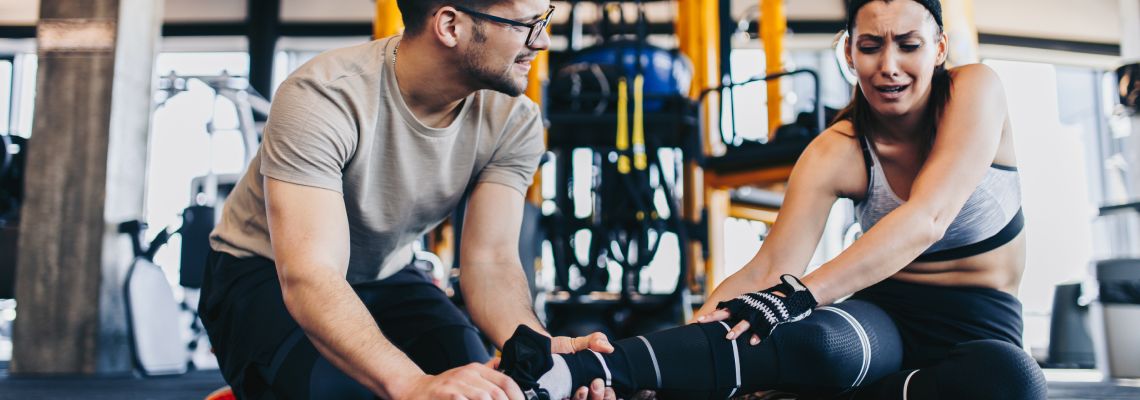
Joining a gym is often a positive step toward improving your health and well-being. Most people expect to leave each workout feeling stronger, not dealing with a painful injury that disrupts their daily life.
Unfortunately, accidents do happen, and when they do, it's natural to wonder whether you still have legal options if you signed a liability waiver before using the facility. Many people assume that signing a waiver automatically prevents them from filing a lawsuit.
That belief often causes injured individuals to accept expensive medical bills, lost wages, and lasting pain without asking whether someone else's negligence played a role. The truth is that liability waivers don't always protect a gym from responsibility.
What Does a Gym Liability Waiver Actually Cover?
Most gyms require members to sign a liability waiver before they can use the equipment or participate in classes. These agreements are intended to reduce the gym's responsibility for injuries resulting from the ordinary risks associated with exercise. However, signing a waiver doesn't necessarily mean you've given up every legal right.
Virginia courts generally recognize properly written liability waivers, but those waivers don't excuse every type of conduct. If a gym or its employees acted negligently, there can still be circumstances where an injured person can pursue compensation.
Our Hampton Roads, VA personal injury attorney is here to review the waiver alongside the facts of your accident to determine whether it applies to your situation.
When Can You Still Sue After Signing a Waiver?
Every injury claim depends on its specific facts. While waivers can protect gyms from certain claims involving ordinary risks, they often don't shield businesses from injuries caused by careless conduct.
Several situations can allow you to pursue legal action despite signing a waiver.
Dangerous equipment: If exercise machines weren't properly maintained, inspected, or repaired, the gym could still be responsible for resulting injuries.
Unsafe premises: Wet floors, loose flooring, poor lighting, broken stairs, or other hazardous conditions can create liability when management knew—or should have known—about the danger.
Negligent employee actions: Staff members who improperly supervise activities, fail to address obvious hazards, or create unsafe conditions can expose the facility to liability.
Defective products: Sometimes the equipment itself contains a manufacturing or design defect. In those cases, the manufacturer, distributor, or another responsible party can share liability.
Conduct beyond ordinary negligence: Certain types of reckless behavior generally aren't protected by liability waivers.
Speaking with your attorney soon after an accident can help you determine whether the waiver is enforceable and whether another party can still be legally responsible.
What Evidence Can Strengthen Your Injury Claim?
Building a successful claim often depends on collecting evidence before it disappears. Surveillance footage can be deleted, witnesses' memories can fade, and hazardous conditions can be corrected shortly after an accident.
Taking prompt action can make a significant difference when evaluating your legal options.
Photographs of the accident scene: Pictures of broken equipment, slippery floors, poor lighting, missing warning signs, or other hazards can provide valuable documentation.
Medical records: Prompt medical treatment creates documentation connecting your injuries to the accident and establishes the extent of your damages.
Incident reports: Many gyms prepare internal reports after injuries occur. These reports can become valuable pieces of evidence.
Witness statements: Other gym members or employees can have observed what happened or noticed unsafe conditions beforehand.
Maintenance records: Inspection logs, repair requests, and maintenance schedules can reveal whether the gym ignored known problems.
Membership documents: Your waiver, membership agreement, and any additional paperwork can affect your claim and should be reviewed carefully.
Gathering this information early gives your personal injury attorney a stronger foundation for evaluating liability and pursuing compensation when appropriate.
A personal injury attorney can also identify additional evidence that won’t be immediately available to injured individuals, helping preserve important information before it's lost.
What Compensation Can Be Available After a Gym Injury?
If someone else's negligence caused your injuries, you may be able to recover compensation for both financial losses and the personal effects of the accident.
Potential damages can include:
Medical expenses: Emergency care, hospital stays, surgeries, rehabilitation, physical therapy, medications, and future treatment costs.
Lost income: Compensation for missed work and diminished earning capacity if your injuries affect your ability to earn a living.
Pain and suffering: Physical pain, emotional distress, and reduced enjoyment of everyday activities can be considered.
Long-term disability: Some injuries require ongoing treatment or permanently affect mobility and daily functioning.
Other financial losses: Transportation expenses, assistive devices, and additional costs related to your recovery can also be recoverable.
While every case is different, speaking with an injury attorney helps you better understand the damages that can apply to your situation.
Rather than accepting the insurance company's initial response, it's often worthwhile to have your case reviewed before making important decisions.
A Personal Injury Attorney Can Help Evaluate Your Legal Options
After suffering a gym or fitness center injury, it's easy to believe that signing a liability waiver leaves you without any legal rights. In reality, waivers don't automatically prevent every lawsuit, particularly when negligence contributed to the accident.
Having your case evaluated helps you better understand whether compensation is still available. At Forbes Law Firm, we work with injured clients to review liability waivers, investigate the circumstances surrounding gym accidents, and explain their legal options.
Located in Hampton Roads, Virginia, we proudly serve individuals throughout Hampton, Newport News, Poquoson, York County, and Williamsburg. If you've been injured and would like to speak with a personal injury attorney, reach out to us today to discuss your case.